
Montessori and Emotional Intelligence: Developing Well-Rounded Individuals
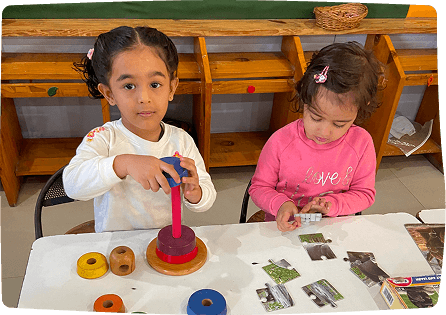
Emotional intelligence (EQ) is the ability to recognise, understand, and manage emotions. Montessori education places a strong emphasis on emotional development, ensuring that children grow into well-rounded individuals who can navigate social interactions effectively. demo
The Role of Parents in Montessori Education
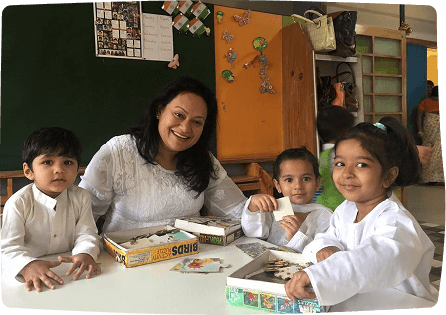
Parental involvement is a crucial component of Montessori education. While the Montessori Method emphasises independence, the role of parents in supporting their child’s learning journey is invaluable.
Montessori and Creativity: Encouraging Imaginative Thinking
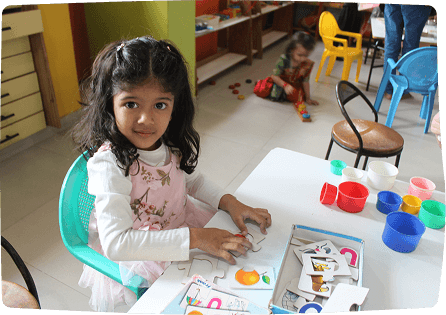
Creativity is a fundamental aspect of childhood development, and Montessori education is designed to foster imaginative thinking. Unlike traditional educational models that emphasise rote memorisation..
The Montessori Approach: A Child-Centered Learning Philosophy
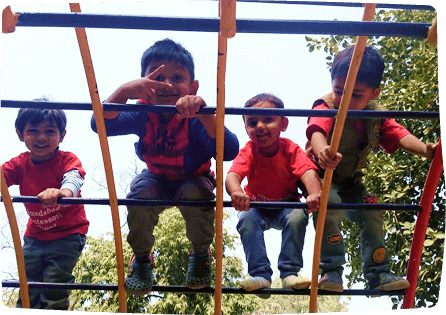
Montessori education is a unique approach that emphasises independence, curiosity, and hands-on learning. Unlike traditional
The Importance of Practical Life Activities in Montessori Education
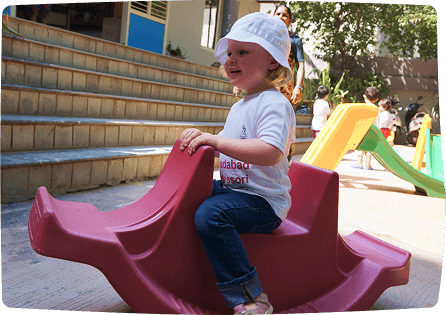
Practical life activities are a cornerstone of Montessori education, designed to teach children essential skills for daily living. These activities help young learners develop coordination, independence, and a sense of responsibility while enhancing their concentration and fine motor skills.
Sensorial Learning: How Montessori Nurtures Cognitive Development
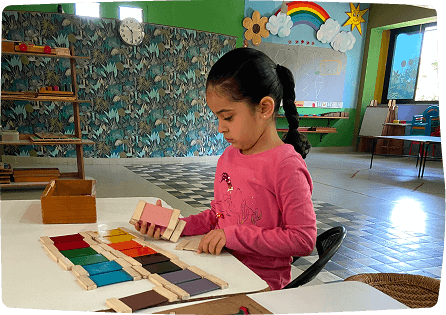
Sensorial education plays a vital role in Montessori learning, helping children refine their senses and understand the world around them. Through carefully designed, hands-on activities, children explore size, shape, texture, sound, and colour – building a strong foundation for academic and real-world learning.
Montessori Mathematics: Building a Strong Numerical Foundation
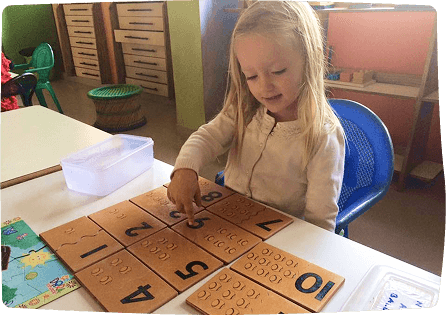
Mathematics in Montessori education is introduced through concrete materials that help children internalise abstract concepts naturally.
The Role of Language in Montessori Education
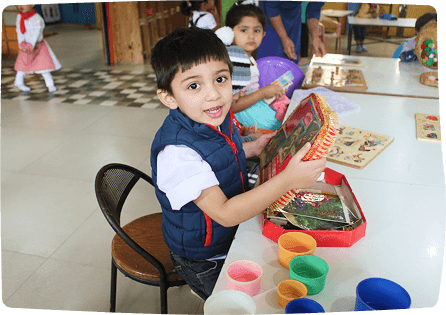
Language development in Montessori education follows a natural progression – beginning with spoken language and gradually evolving into reading and writing. The Montessori approach encourages children to build strong communication skills through thoughtfully structured, hands-on activities.
The Significance of Field Trips in Montessori Education
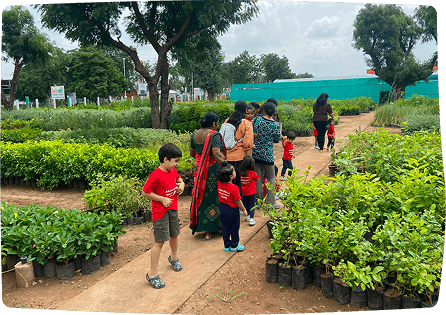
Field trips are a vital extension of Montessori education, offering children real-world experiences that deepen classroom learning. These thoughtfully planned outings connect theoretical concepts with practical observation, encouraging curiosity and meaningful exploration.